How to Clean a Washing Machine Filter (Without Flooding Your Floor)

Your washing machine suddenly stopped mid-cycle. It’s aggressively beeping, your soaking wet clothes are being held hostage behind a locked door, and the digital display is flashing an angry OE, 5E, or Nd error code.
Before you panic-call a plumber for $150, take a breath. Your machine isn’t dead. It is almost certainly just choking on a bobby pin, a rogue dog hairball, or a coin you forgot in your pocket.
Here is how to clear the drain pump filter in 10 minutes—without turning your laundry room into a swimming pool.
⚡ Quick Jump Index
- Step 1: Locate the Secret Filter Door
- Step 2: The Emergency Drain (Crucial!)
- Step 3: Remove and Scrub the Filter
- Top-Loader Note: Where is my filter?
Step 1: Locate the Secret Filter Door
Most modern front-load washers (LG, Samsung, Whirlpool, Bosch) have a hidden access panel designed exactly for this emergency.
Look at the bottom front corner of your washing machine (usually on the bottom left or right). You will see a small, square plastic door.
- Use a coin, a flathead screwdriver, or just your fingernail to pry this little door open.
- Inside, you will see two things: a large round twist-knob (the filter) and a small rubber tube with a plug at the end (the emergency drain).
Step 2: The Emergency Drain (Crucial!)
🚨 WARNING: Do NOT twist the large round knob yet. If there is water trapped in your machine’s drum, unscrewing that filter cap will unleash up to 5 gallons of dirty water directly onto your floor.
We need to drain the machine manually first.
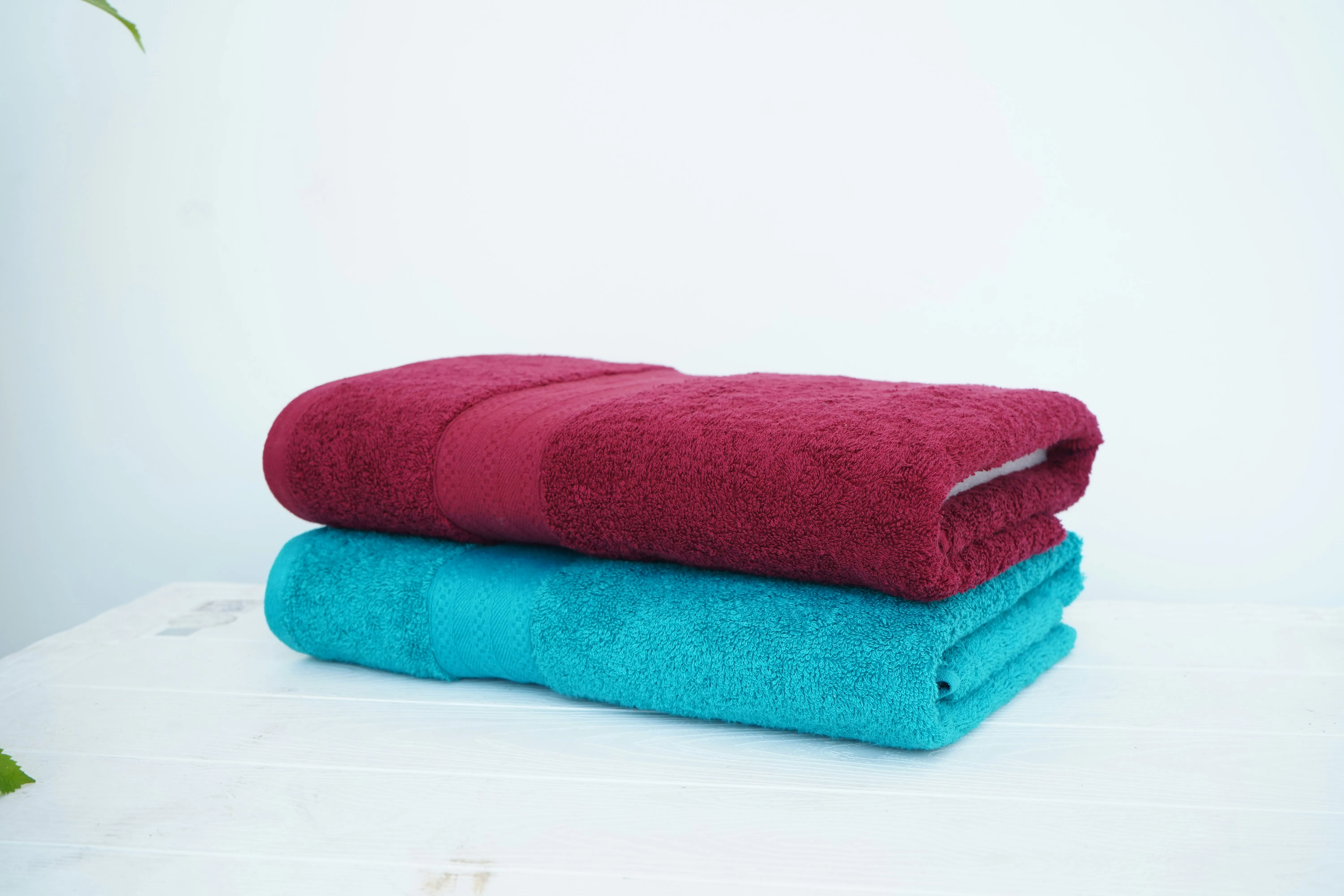
- Prep the Area: Lay down 2 or 3 large bath towels right in front of the washer. Grab a shallow baking dish or a small bowl.
- Unclip the Hose: Pull the small rubber emergency drain tube out of its clip.
- Pull the Plug: Hold the tube over your shallow bowl and gently pull the little plastic plug out of the end. Water will start flowing immediately.
- Empty and Repeat: When the bowl gets full, plug the hose back up, dump the water into a sink, and repeat the process until water stops flowing completely.
Note: This can take 5 to 10 minutes if the drum is totally full, but it guarantees a dry floor!
Step 3: Remove and Scrub the Filter
Now that the water is completely drained, it is safe to tackle the actual clog.
- Unscrew the Cap: Grip the large round filter knob and turn it counter-clockwise. It might be stiff if it hasn’t been opened in a few years.
- Pull It Out: Slide the cylindrical filter basket out. Prepare yourself for a foul smell—this is where stagnant water and hair accumulate.
- Inspect the Cave: Shine your phone’s flashlight into the dark hole where the filter just came from. Reach in (with a glove if you prefer) and pull out any trapped coins, paperclips, or lint wads. At the very back, you’ll feel a small propeller—make sure it can spin freely.
- Scrub the Filter: Take the plastic filter basket to your sink, pick off the hair, and scrub it clean with warm water and an old toothbrush.
- Reassemble: Slide the clean filter back in, twist it clockwise until it is completely tight, and pop the emergency drain hose plug back into place.
Close the little door, hit “Start” on your washer, and watch that error code disappear.
What if I have a Top-Load Washer?
If you are staring at a top-load washer and can’t find a little door on the front, you aren’t going crazy.
- Traditional Top-Loaders (with a tall center agitator): Your lint filter is usually either inside the central agitator pole itself (pull off the top cap) or located along the top inner rim of the wash tub.
- High-Efficiency (HE) Top-Loaders: Most modern HE top-loaders actually do not have a manual clean-out filter. They rely on a self-cleaning pump mechanism. If your HE top-loader won’t drain, the clog is likely inside the external drain hose behind the machine, or the pump itself requires professional servicing.
📚 What to Read Next
Now that the machine is draining properly, it might be time for a full refresh:
- The Ultimate Washing Machine Deep Clean Guide - How to scrub the rubber door gasket and detergent drawers.
- What Does the Tub Clean Cycle Actually Do? - Stop ignoring the blinking light and learn how to descale your drum.
Frequently Asked Questions
What does the OE error code mean on an LG washer?
OE stands for 'Output Error' or draining issue. It means the washer's drain pump is clogged with debris, or the drain hose is kinked, preventing water from escaping.
What does the 5E or Nd code mean on a Samsung washer?
Both 5E and Nd stand for 'No Drain'. It indicates that the drain pump filter (located at the bottom front of the machine) is completely clogged with lint, coins, or hair.
Can I just unscrew the filter cap while the washer is full of water?
Absolutely not! If you unscrew the main filter cap while water is in the drum, several gallons of murky water will instantly flood your floor. Always use the emergency drain hose first.