How to Clean a Washing Machine (Before It Starts Smelling Like a Swamp)
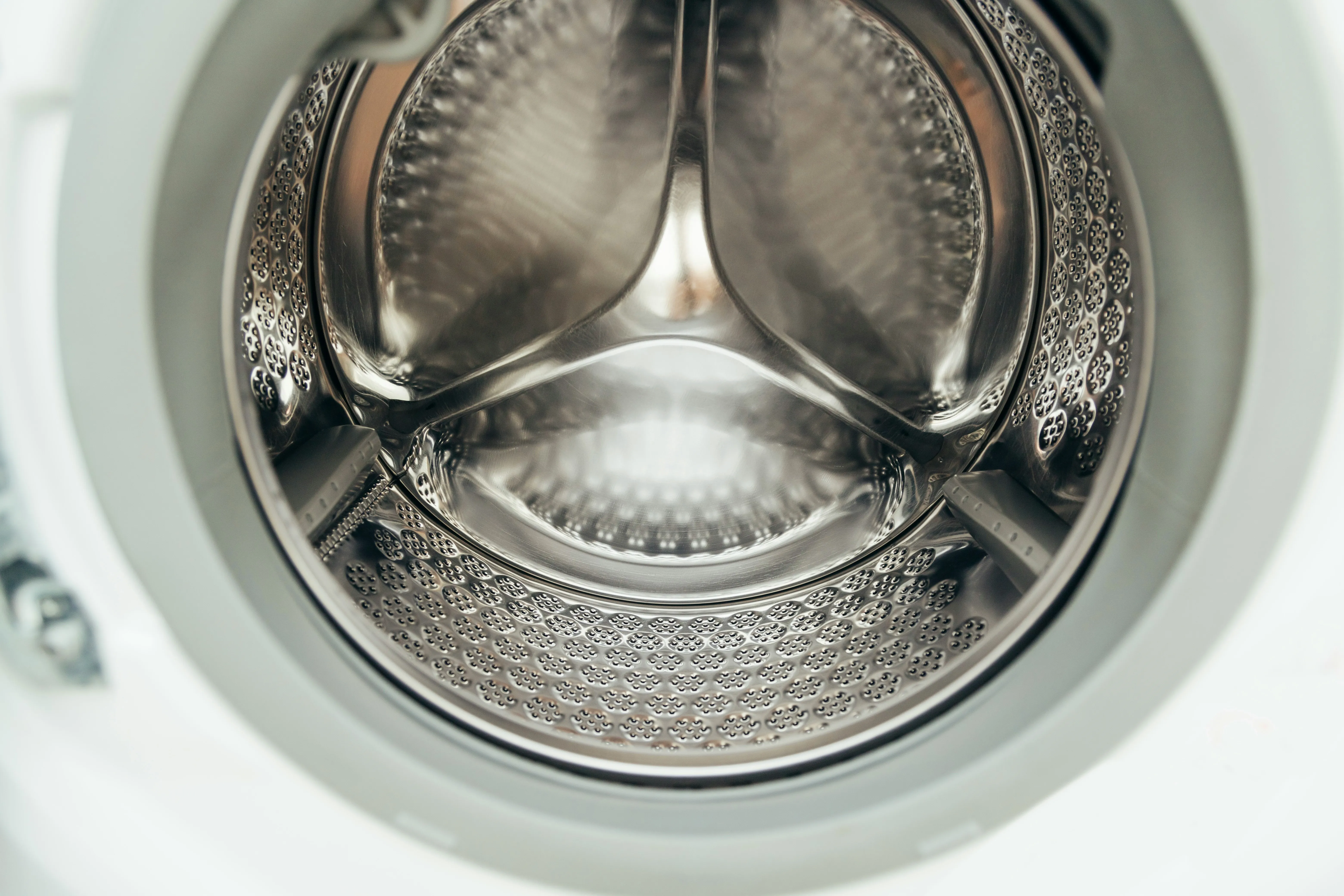
It is one of life’s great ironies that a machine whose sole existence is dedicated to cleaning stuff managed to turn itself into a damp, bio-hazardous swamp.
If your “clean” laundry is coming out smelling suspiciously like an old dishcloth, don’t panic. You don’t need a degree in appliance repair—just 30 minutes, a few household staples, and a willingness to confront whatever gunk is hiding in your rubber gasket.
⚡ Quick Jump Index
- At-a-Glance Cleaning Cheat Sheet
- Method 1: Front-Load Washers (LG, Samsung, Whirlpool)
- Method 2: Top-Load Washers (Traditional & High-Efficiency)
- The Great Debate: Vinegar vs. Bleach
- 3 Rookie Mistakes That Cause Washer Mold
At-a-Glance Cheat Sheet
| Machine Part | What to Use | How Often |
|---|---|---|
| Rubber Gasket (Door Seal) | Microfiber cloth + vinegar/water mix | Every 2 weeks |
| Detergent Drawer | Warm water + dish soap + toothbrush | Monthly |
| Main Drum Deep Clean | 2 cups white vinegar OR 1/2 cup bleach | Monthly |
| Drain Filter | Towel + small basin + warm water | Every 2–3 months |
Method 1: Front-Load Washers
Front-loaders are fantastic at saving water, but their airtight rubber door seals make them prime real estate for mold.
Step 1: The Rubber Gasket (Where the Slime Lives)
Pull back the rubber folds around the door entrance. Prepare yourself—it might get spooky in there.
- Mix equal parts warm water and white distilled vinegar in a spray bottle.
- Spray liberally inside all folds of the rubber seal.
- Let it sit for 5 minutes, then wipe clean with a microfiber cloth. Use an old toothbrush for stubborn black mold spots.
Step 2: Evict the Detergent Drawer Sludge
Fabric softener and liquid detergent leave behind a sticky residue that turns into mildew.
- Press the small release tab inside the detergent drawer slot and pull the drawer completely out.
- Disassemble the plastic divider cups.
- Soak everything in warm, soapy water for 10 minutes and scrub away gunk.
- Wipe out the inside housing slot before snapping the drawer back in.
Step 3: Run the High-Heat Tub Clean
- Pour 2 cups of white distilled vinegar directly into the empty drum (or use 1 washing machine cleaning tablet).
- Set your washer to “Tub Clean”, “Self Clean”, or the absolute hottest water cycle available with an extra rinse.
- Let the machine complete the cycle.
Method 2: Top-Load Washers
Top-loaders don’t have door gaskets to worry about, but soap scum and hard water minerals like to cake onto the upper rim and central agitator pole.
Step 1: The Deep Fill & Soak Method
- Set your top-loader to the hottest water setting and the largest load size.
- As the tub fills with hot water, add 4 cups of white distilled vinegar.
- Pause the machine once it finishes filling and let the hot vinegar water sit for 1 hour.
Step 2: Scrub the Rim & Dispensers
While the drum is soaking:
- Dip a microfiber cloth or toothbrush into the hot vinegar water inside the tub.
- Scrub around the top lip of the washing tub, under the rim, and around the detergent dispenser cups.
- If you have a center agitator pole, wipe down the grooves where fabric softener accumulates.
Step 3: Finish the Cycle
- Unpause the machine and allow the full cycle to drain and rinse.
- Run a secondary quick rinse cycle if any loosened mineral flecks remain in the drum.
The Vinegar vs. Bleach Rulebook
Both white vinegar and chlorine bleach are effective cleaning agents, but they serve different purposes—and mixing them is dangerous.
🚨 CRITICAL SAFETY WARNING:
NEVER mix vinegar and bleach together. Combining an acid (vinegar) with sodium hypochlorite (bleach) creates chlorine gas, which can cause severe respiratory damage. Pick one method per cleaning session.
When to Use White Vinegar:
- Best for: Descaling hard water minerals, cutting through soap scum, and routine monthly odor maintenance.
- How to use: 2 cups added directly to the drum during a hot cycle.
When to Use Liquid Bleach:
- Best for: Killing aggressive black mold colonies inside door gaskets or severe mildew odors that vinegar couldn’t fix.
- How to use: 1/2 cup poured into the bleach dispenser cup on a hot tub clean cycle.
3 Rookie Mistakes to Stop Doing
- Closing the Door After a Load: Leaving the washer door tightly shut traps moisture inside, creating a damp environment where mold thrives. Always leave the door cracked open 2–3 inches when not in use.
- Using Too Much Detergent: Modern High-Efficiency (HE) washers only require 1 to 2 tablespoons of liquid soap per load. Oversoaping creates excess suds that coat the outer tub and breed odor-causing bacteria.
- Ignoring the Drain Filter: If your machine smells like stagnant sewage, the culprit is likely a clogged drain pump filter at the bottom front panel. Clear it out every few months to keep water flowing freely.
📚 What to Read Next
Keep the laundry room maintenance going with these quick guides:
- What Does the Tub Clean Cycle Actually Do? - Find out what happens when you press the button (and what cleaner to use).
- How to Clean a Washing Machine Filter - The 10-minute fix for a washer that won’t drain or is flashing an error code.
- How to Wash Shoes in the Washer Safely - The towel trick to clean your sneakers without ruining your machine drum.
Frequently Asked Questions
Why does my clean washing machine smell like rotten eggs?
That smell is usually hydrogen sulfide gas caused by trapped bacteria, stagnant water, and soap scum building up inside the rubber door gasket, detergent drawer, or drain filter.
Can I mix vinegar and bleach to clean my washer faster?
NEVER mix vinegar and bleach. Combining them produces toxic chlorine gas, which is extremely dangerous to inhale and can damage internal washer components.
How often should I clean my washing machine?
Deep clean your machine once a month if you do daily laundry, or every 30 cycles. If you live in a hard water area, aim for every 3 weeks to prevent mineral scale.
Does vinegar ruin washing machine rubber seals?
Pure, undiluted vinegar can weaken rubber seals over time if left sitting on them. Always dilute vinegar with warm water or wipe down rubber gaskets with fresh water after cleaning.